The Ledger
Business lessons, one chart at a time. Short answers first, worked examples after, and every idea is something you can try in VENTURED.

How to Integrate AI Into a Small Business: A 90-Day Plan
A practical 90-day plan for bringing AI into a small business: list the work, pick the first three tasks, run a reviewed pilot, measure it and expand what works.
AI at work
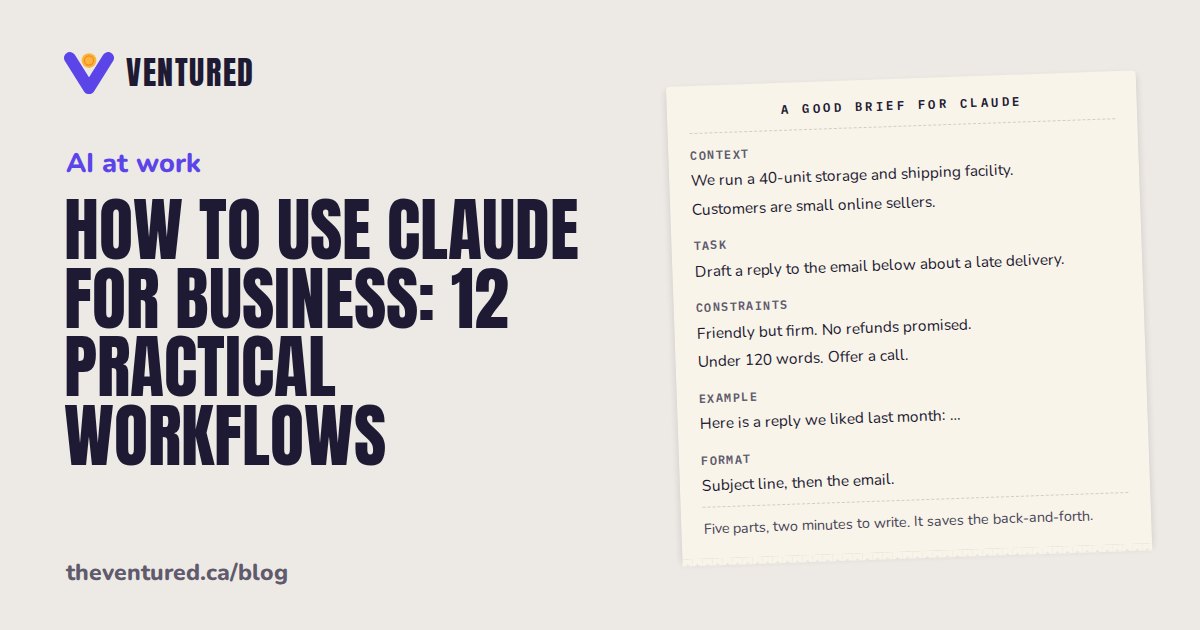
How to Use Claude for Business: 12 Practical Workflows
Twelve practical ways to use Claude in a business, from email and meeting notes to spreadsheets, SOPs, research and internal tools, plus how to write instructions it follows.
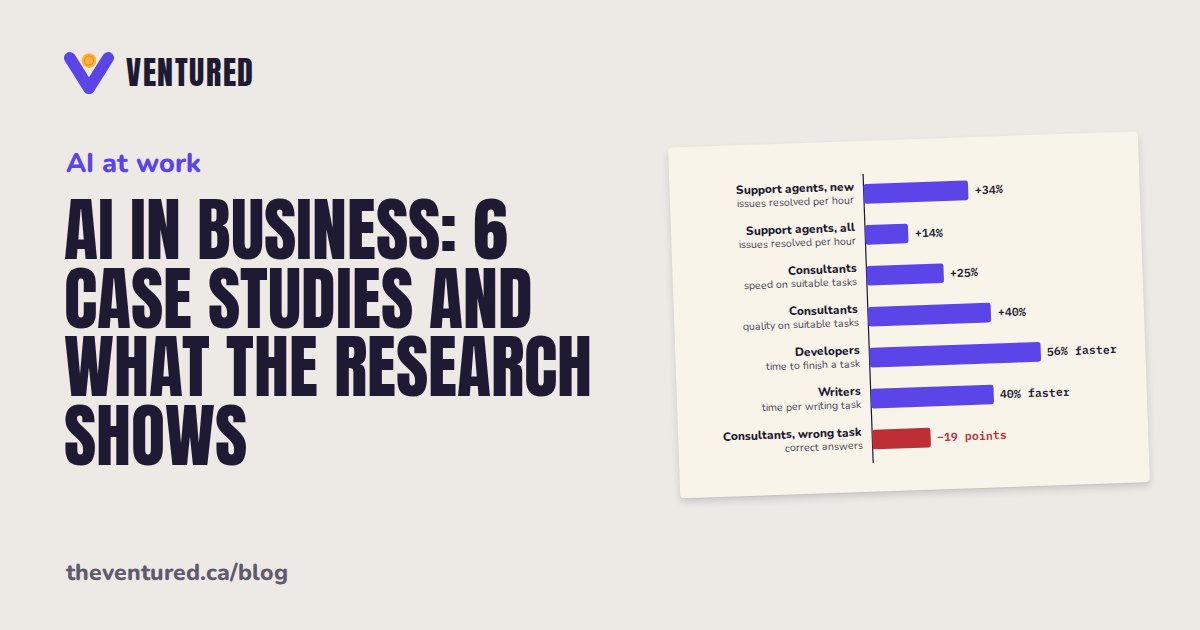
AI in Business: 6 Case Studies and What the Research Shows
What happened when companies and researchers measured AI at work: Klarna’s support assistant, customer service agents, consultants, developers and writers, and the lessons for your business.
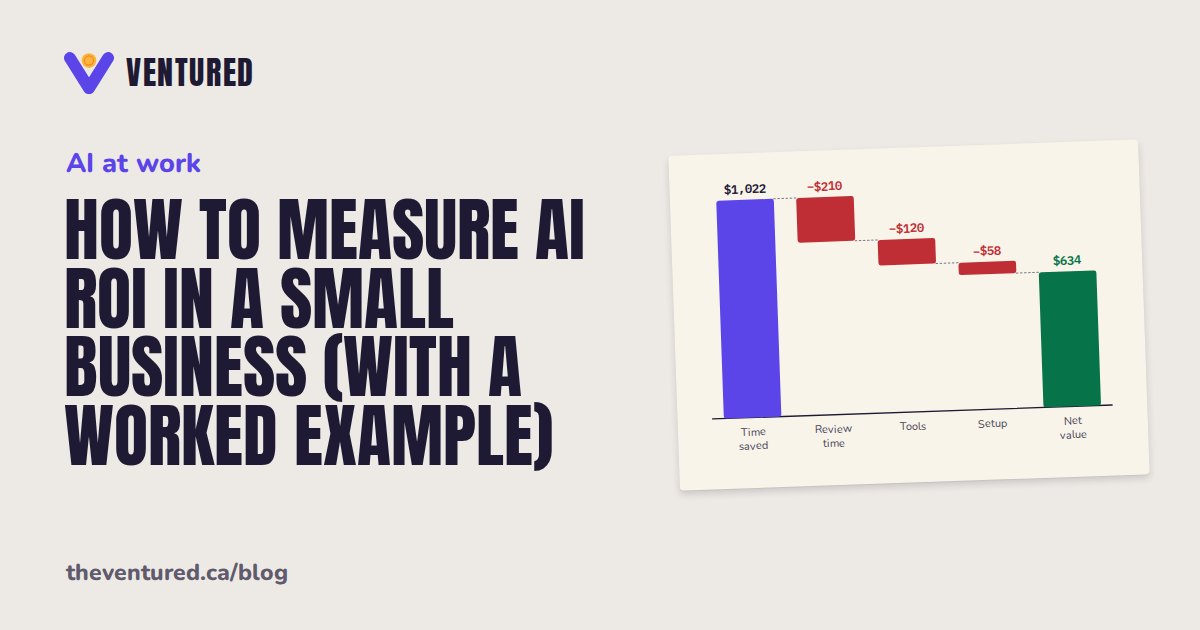
How to Measure AI ROI in a Small Business (With a Worked Example)
A simple formula for the return on AI tools: hours saved times loaded hourly cost, minus review time, tool costs and setup, with a worked example and the mistakes to avoid.
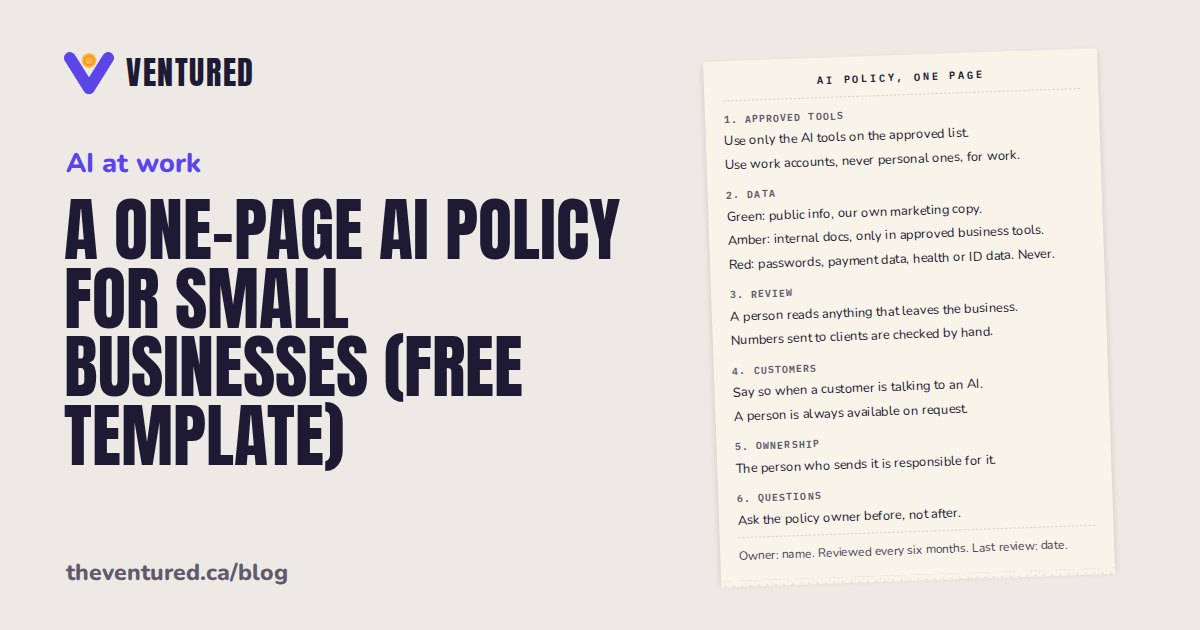
A One-Page AI Policy for Small Businesses (Free Template)
A free one-page AI policy template for small businesses covering approved tools, what data can go in, review rules, telling customers and who is accountable.
Money and cash
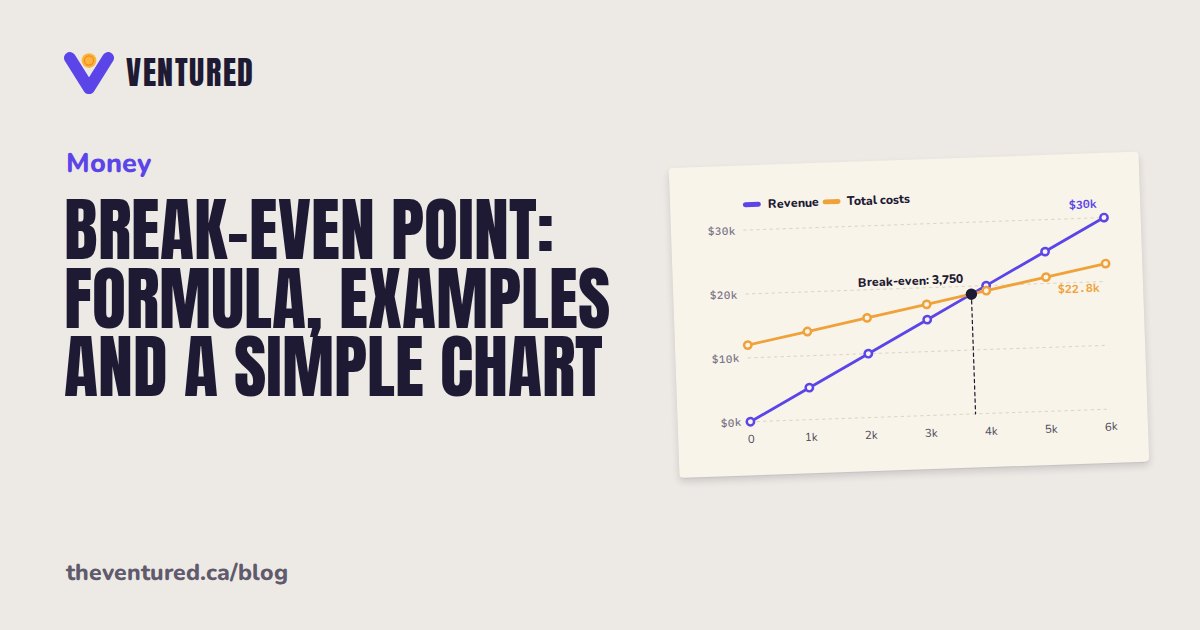
Break-Even Point: Formula, Examples and a Simple Chart
How to calculate your break-even point in units and in sales, with a worked café example, a chart, and the three levers that lower it.
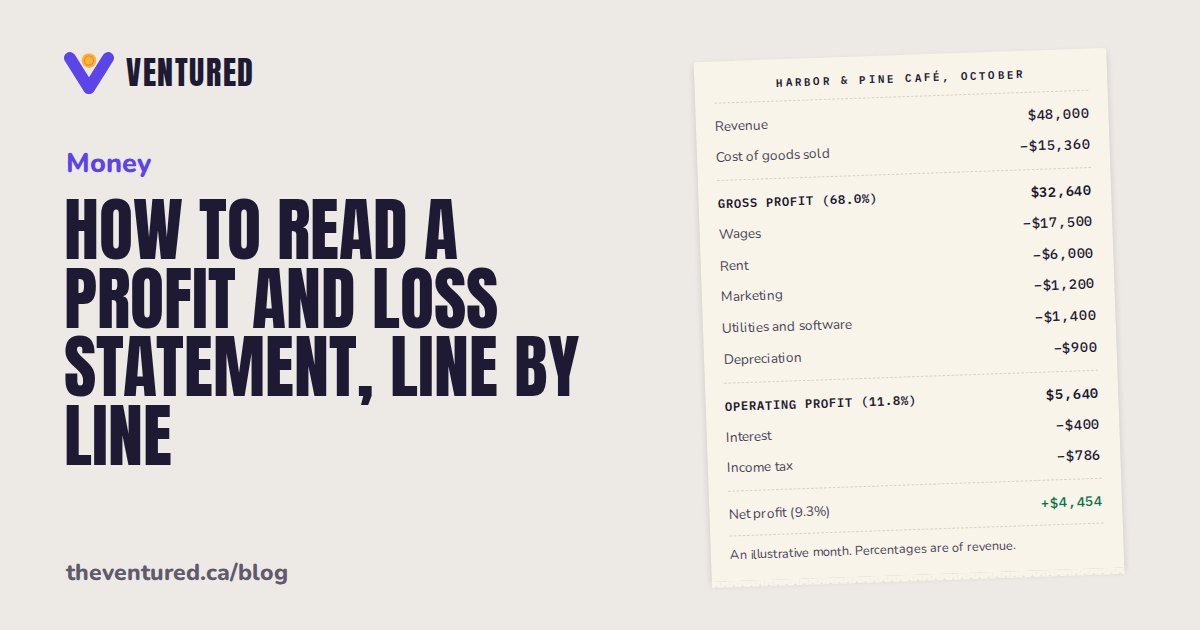
How to Read a Profit and Loss Statement, Line by Line
How to read a profit and loss statement (income statement) line by line, with a worked café example, the margins to calculate, and the questions to ask every month.
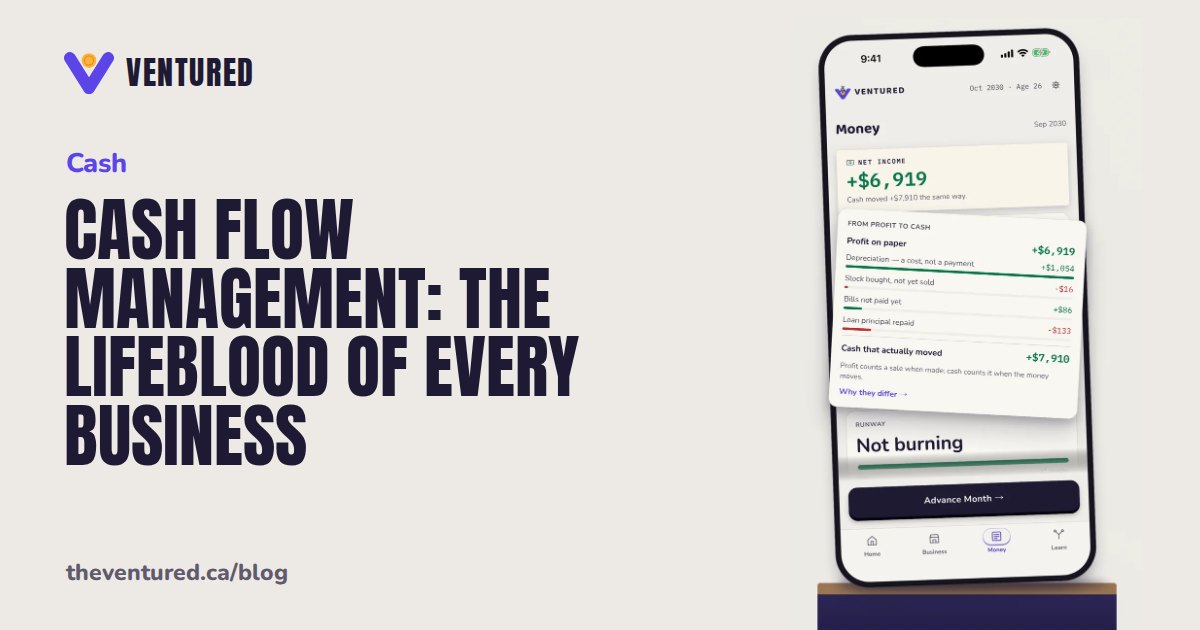
Cash Flow Management: The Lifeblood of Every Business
Why profitable businesses still run out of cash, and how a 13-week forecast, a cash reserve and a shorter cash conversion cycle keep yours alive.
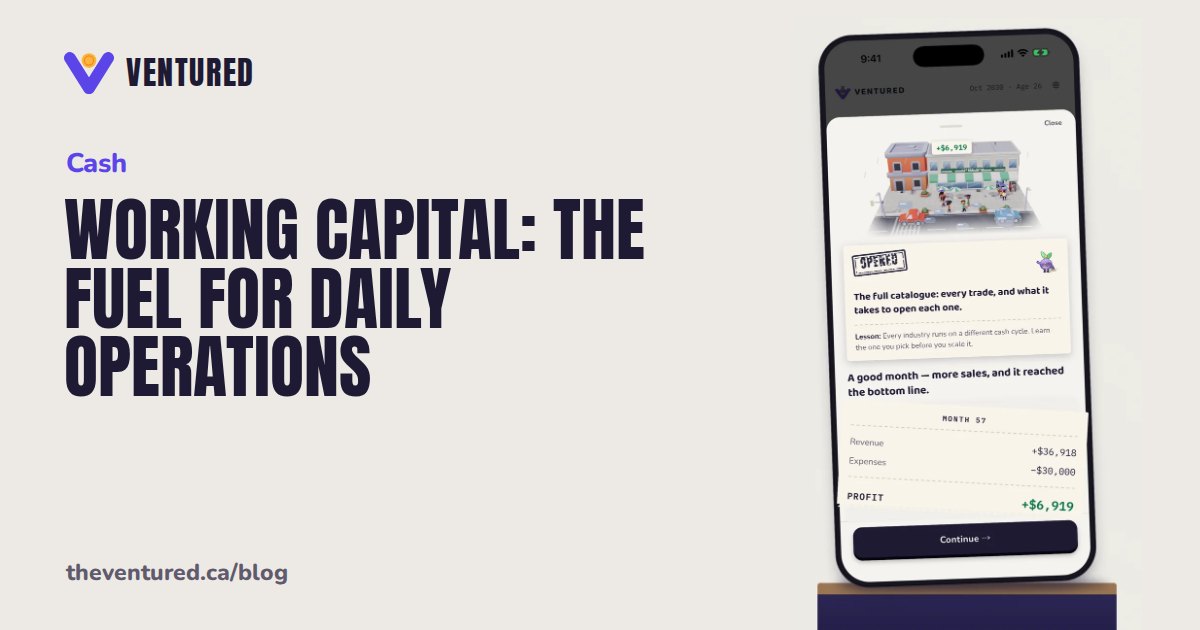
Working Capital: The Fuel for Daily Operations
What working capital is, how to calculate it, and how faster collections, leaner stock and smarter supplier terms free up cash for daily operations.

Understanding Profit Margins: Gross vs Net
Gross margin vs net margin explained with one worked example, plus the margin vs markup mistake that leads to underpricing.
Operations
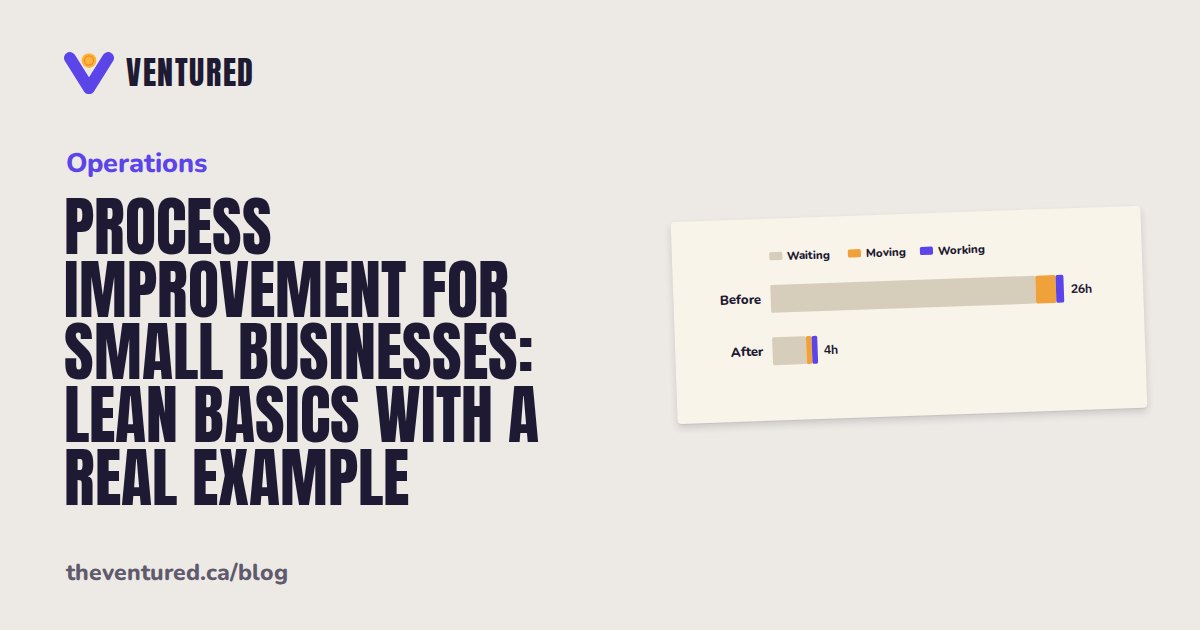
Process Improvement for Small Businesses: Lean Basics With a Real Example
Lean process improvement for small businesses: the eight wastes, mapping where time goes, the Plan-Do-Check-Act cycle, and a worked example that cut a 26-hour process to 4.
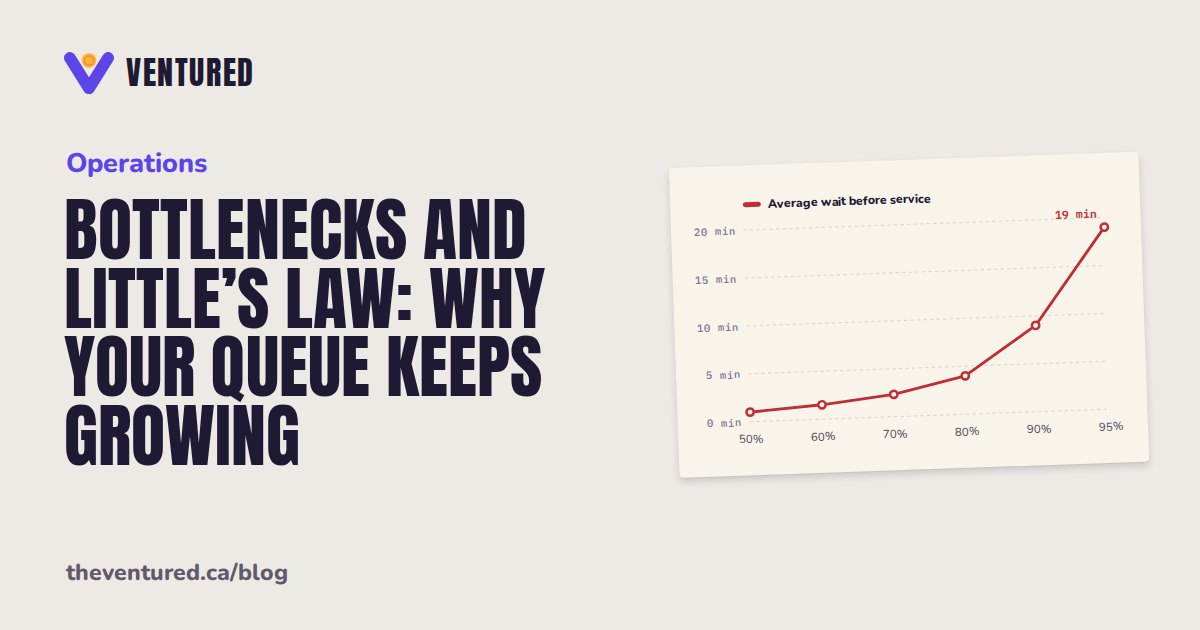
Bottlenecks and Little’s Law: Why Your Queue Keeps Growing
Why lines and backlogs grow faster than you expect: Little’s Law, what happens near full capacity, and the five steps to find and fix the bottleneck in any business.
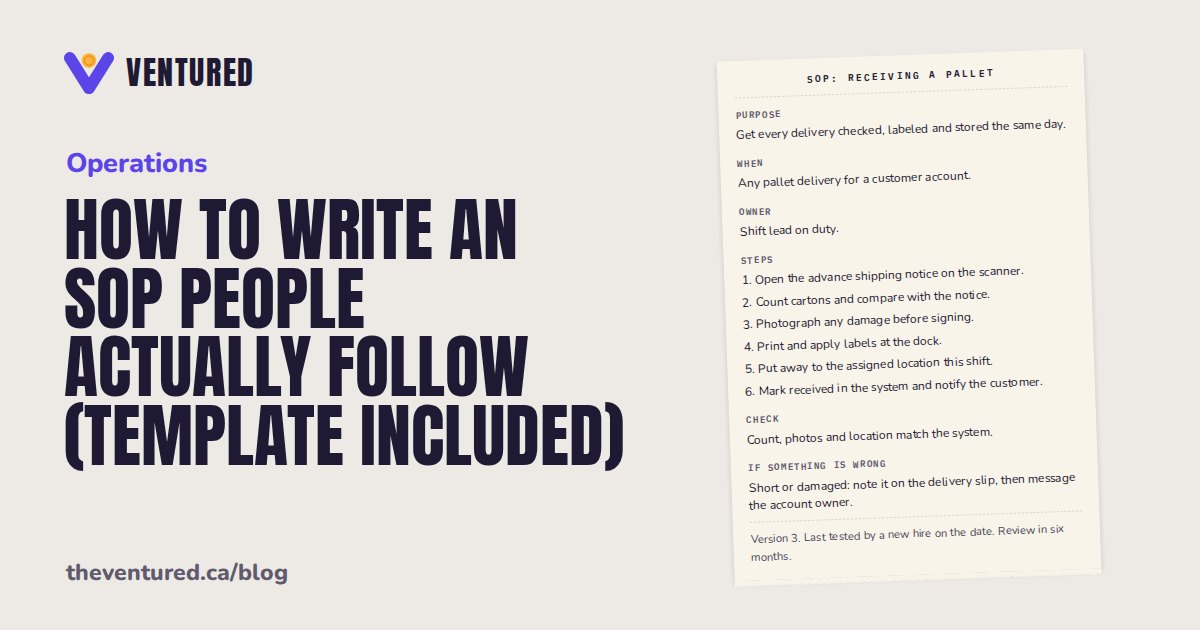
How to Write an SOP People Actually Follow (Template Included)
How to write a standard operating procedure that people follow: when you need one, the structure that works, a free template, and how to test and keep it current.
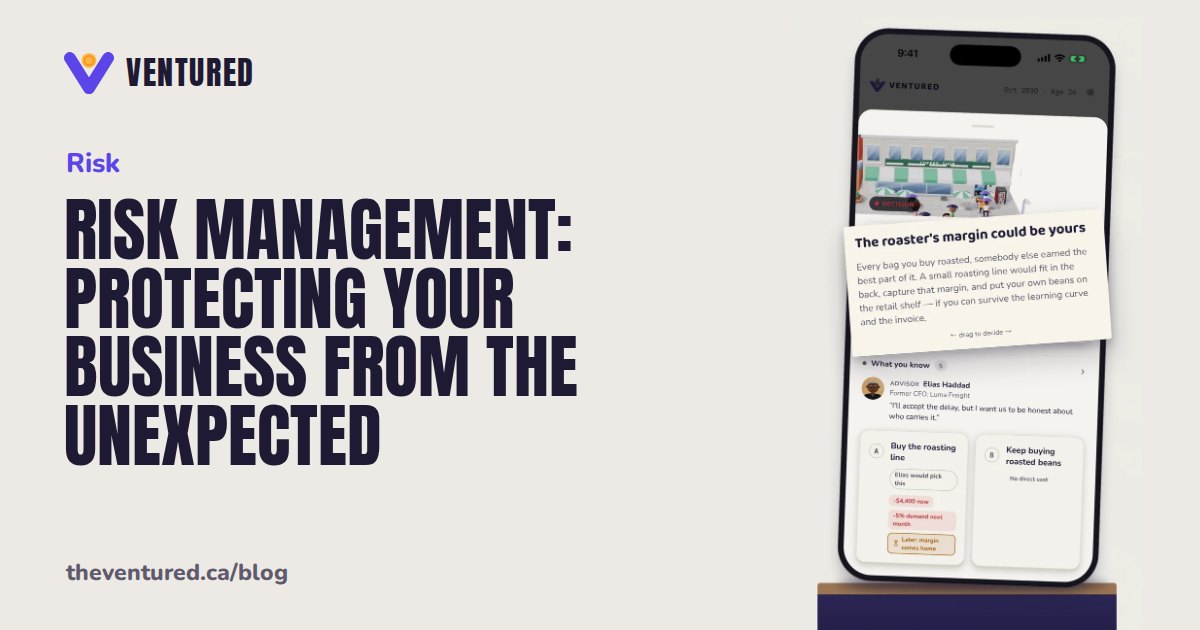
Risk Management: Protecting Your Business from the Unexpected
A practical risk management process for small businesses: list risks, score them on a risk matrix, and accept, reduce, transfer or avoid each one.
Strategy and growth

Types of Competitive Advantage and How to Build Them
The main types of competitive advantage, from cost leadership and differentiation to network effects and switching costs, and how small businesses build them.

Negotiation Tactics Every Business Owner Should Know
Practical negotiation tactics for suppliers, customers and investors: BATNA, the deal zone, anchoring and trading concessions instead of giving them away.

Scaling Smart: Growth Strategies That Actually Work
The difference between growing and scaling, the signs a business is ready to scale, and a seven-stage framework for doing it without running out of cash.
Investing
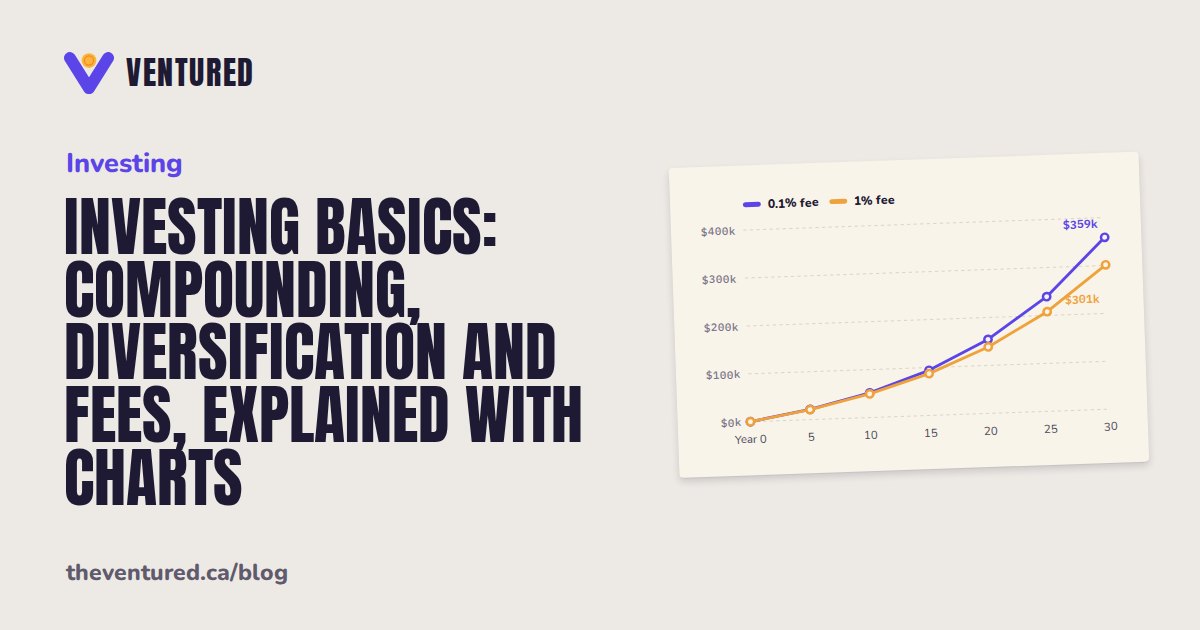
Investing Basics: Compounding, Diversification and Fees, Explained With Charts
Beginner investing basics with charts: why compounding needs time, how a 1% fee changes a 30-year result, diversification, index funds and the order to do things in.
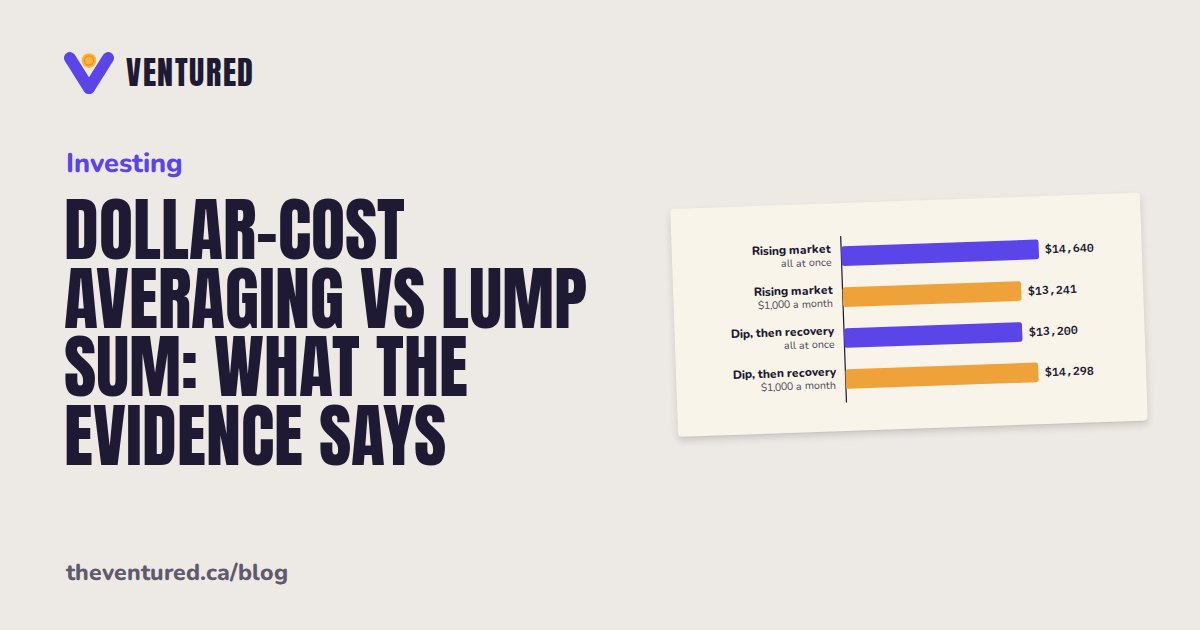
Dollar-Cost Averaging vs Lump Sum: What the Evidence Says
Dollar-cost averaging or lump-sum investing? What Vanguard’s research found, a worked example in rising and falling markets, and when spreading purchases out still makes sense.

Investment Valuation: Understanding What Numbers Matter
The numbers investors use to value a business: growth, margins, ROIC, LTV to CAC, free cash flow, multiples and discounted cash flow, explained with charts.