Dollar-Cost Averaging vs Lump Sum: What the Evidence Says
The short answer
When you already have a sum to invest, putting it in at once has historically beaten spreading it out about two-thirds of the time, because markets rise more often than they fall. Dollar-cost averaging, investing equal amounts on a schedule, does better when prices drop during the buying period, and it reduces the regret of investing right before a fall. Investing every paycheck is dollar-cost averaging by necessity and is a good habit.
This article is general education, not financial advice. Past results do not guarantee future returns; consider speaking with a licensed advisor about your own situation.
You have a lump sum to invest: a bonus, an inheritance, the proceeds of selling a business. Do you invest it all today, or spread it over the next year? It is one of the most common questions in personal finance, and there is real research on it.
What the research found
Vanguard’s 2012 study, Dollar-cost averaging just means taking risk later, compared investing a lump sum immediately with spreading it over 12 months, using historical data for the United States, the United Kingdom and Australia. Investing the lump sum right away came out ahead about two-thirds of the time. The reason is simple: markets have gone up more often than down, so money waiting in cash usually misses some of the rise.
A worked example
Take $12,000 and two simple, made-up markets. In the first, the price climbs steadily from $100 to $122 over the year. In the second, it falls 20% to $80, then recovers to $110. Compare investing all $12,000 in month one with investing $1,000 a month.
In the rising market, the lump sum ends about $1,399 ahead, because every later monthly purchase pays a higher price. In the dip, monthly investing ends about $1,098 ahead, because it buys more shares while prices are low. Dollar-cost averaging is insurance against a fall early in the buying period, and like any insurance, it costs something in the more common case.
When dollar-cost averaging still makes sense
- Regular income. If you invest from each paycheck, you are dollar-cost averaging by default, and that is a great habit.
- Nerves. If a 20% drop right after investing would make you sell, spreading the purchase over a few months may keep you invested. The best plan is the one you stick with.
- Very large sums relative to your wealth. Some investors split the difference: half now, the rest over three to six months.
What does not change
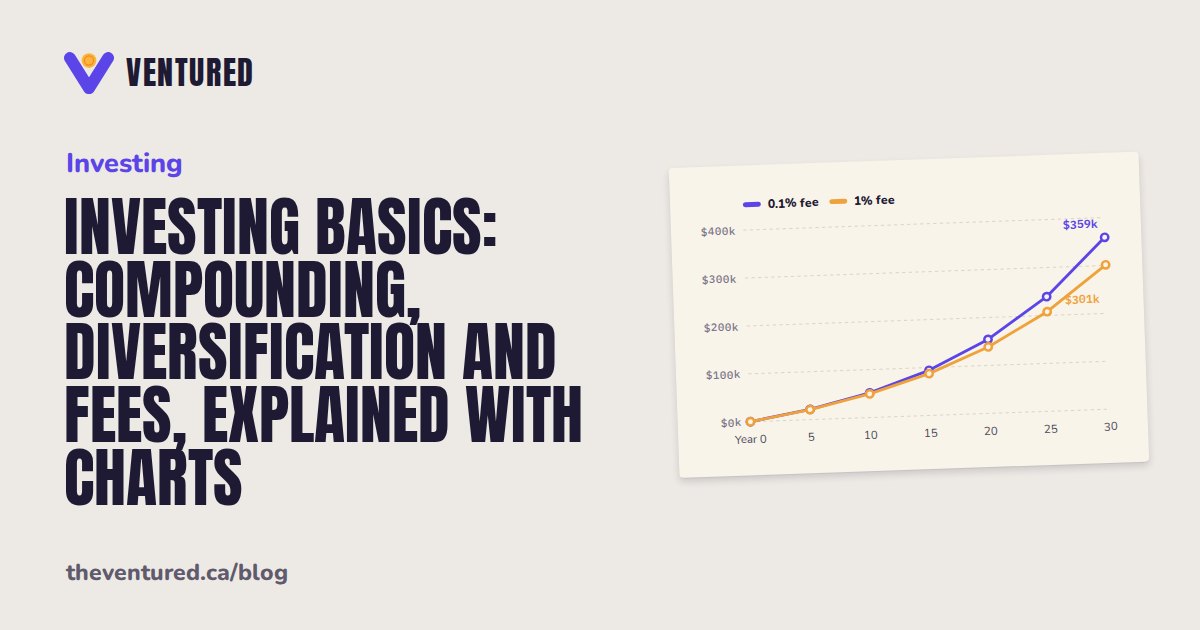
Either way, the bigger decisions are the same: how much risk your mix of investments carries, how low your fees are, and how long you stay invested. Our investing basics guide covers those with charts.
Bottom line
With a lump sum in hand, investing it at once has historically won about two-thirds of the time. Dollar-cost averaging wins when prices fall during the buying period and can be worth it if it keeps you from panicking. Either is far better than leaving the money uninvested for years.
Sources
- Vanguard Research, “Dollar-cost averaging just means taking risk later” (2012)
Common questions
Is dollar-cost averaging better than investing a lump sum?
Historically, investing a lump sum at once has beaten spreading it out about two-thirds of the time, because markets rise more often than they fall. Dollar-cost averaging wins when prices drop during the buying period.
Is investing every paycheck dollar-cost averaging?
Yes. Investing a fixed amount on a schedule from regular income is dollar-cost averaging, and it is a sensible habit because you invest money as soon as you have it.
How long should I spread a lump sum over?
If you choose to spread it, many investors use 3 to 12 months. Longer periods leave more money in cash, which has historically lowered expected returns.